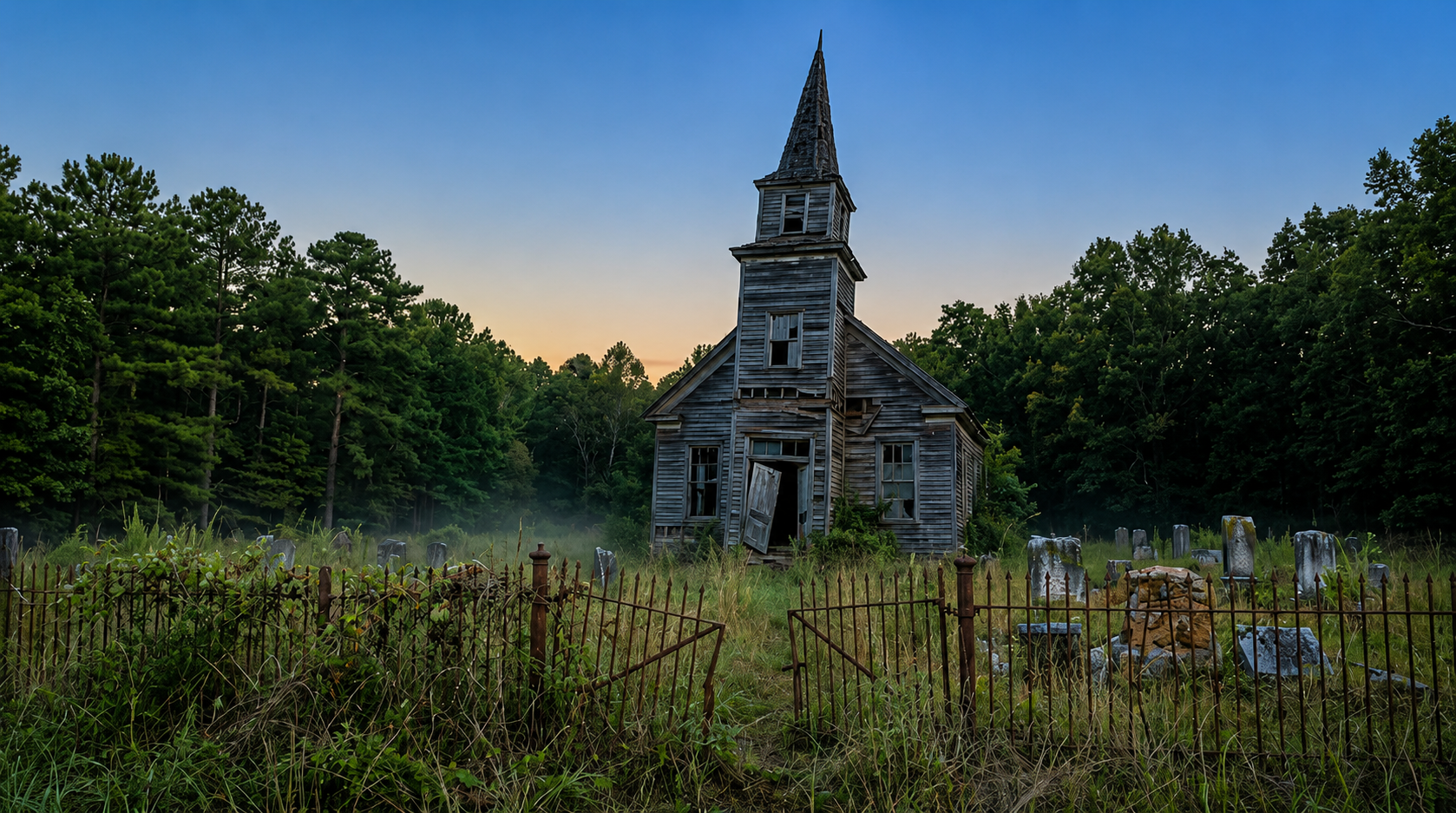
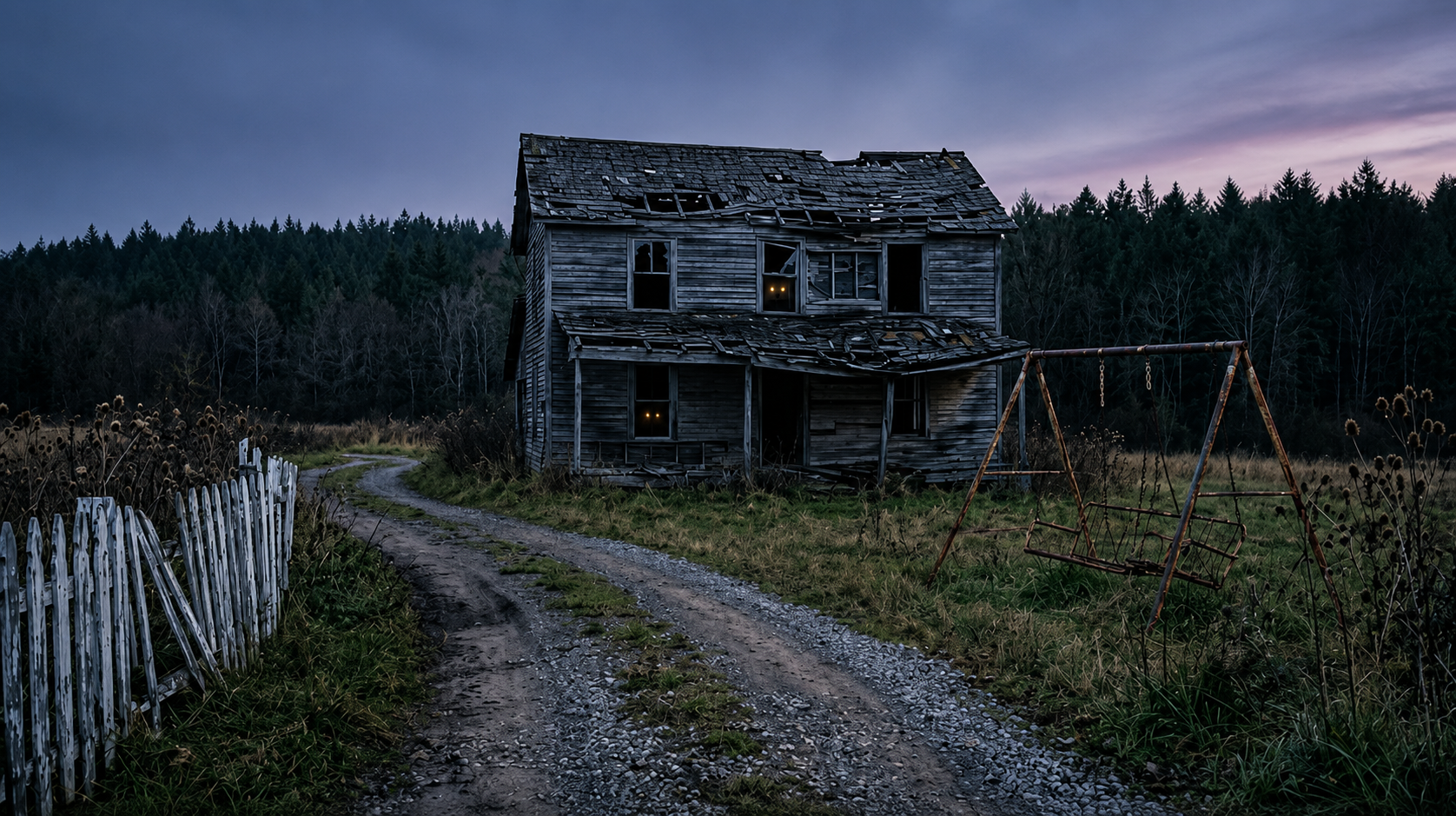
There is a particular kind of fear that has no name in most languages.
It is not the fear of the thing in the dark. It is not the fear of the sound at the window. It is the fear that arrives in the quiet after — when you've checked the window, and nothing was there, and you return to bed, and the house settles, and everything is exactly as it should be.
That is quiet dread. And it is the most honest fear there is.
Why Silence Works
Most horror — particularly the cinematic kind — relies on escalation. Something must always be getting worse. The body count rises. The threat becomes visible, then enormous, then existential. The score swells.
But the horror that lingers — that follows you home from the page and sits in your peripheral vision at 2 a.m. — does the opposite. It withholds.
Think of the stories you remember longest. The ones that made you check the lock twice. I'd wager they weren't the stories where the monster arrived. They were the stories where the monster might arrive. Where something was slightly wrong but you couldn't say what. Where a character you'd come to trust noticed something, said nothing, and looked away.
The Rural Advantage
Cities are loud. That loudness gives a mind something to do — to process, to categorize, to dismiss. A city is a machine for explaining itself.
A field at dusk explains nothing.
The wind moves through grass and the grass does not know why. A tree line stands a hundred yards off and what's inside it is none of your business. A road disappears around a bend and if something were standing just around that bend, waiting, you would not know it until you were already there.
Rural settings don't heighten horror. They remove the buffer between the reader and the fear. There is no crowd to blend into. No lights to turn on. The nearest neighbor is a name you barely know.
A Practice Note
If you write horror — if you want to write horror that respects the reader — try this: draft your story's most frightening moment. Now cut the last sentence. Whatever you wrote as the payoff, remove it.
Nine times in ten, what remains is more frightening than what you deleted.
The reader's imagination, given the right runway, will conjure something more specific and more terrible than anything you could describe. Your job is to build the runway. Then step back.
Let the quiet do its work.